Get Shrub Shaping
Shrub Shaping services help property owners improve curb appeal and maintain healthy, well-shaped bushes through pruning, trimming, and aesthetic adjustments by experienced local contractors.
Proper shrub shaping can enhance the overall appearance and value of a property, making outdoor spaces more inviting and well-maintained. Property owners in the area often consider professional shrub shaping to achieve a polished look, improve plant health, or create specific landscape designs. Whether for aesthetic reasons or practical maintenance, exploring local service providers ensures access to experienced contractors who can handle a variety of shaping needs.
By comparing options among nearby contractors, property owners can find the right professionals to meet their specific landscape goals. Many local providers offer tailored services that address different types of shrubs and design preferences. Continuing to read can help identify the right specialists to help bring a property's outdoor vision to life with expert shrub shaping.
- Hedge Trimming - when overgrown shrubs need shaping to maintain a tidy appearance.
- Bush Pruning - to promote healthy growth and remove dead or damaged branches.
- Shrub Shaping - for aesthetic purposes when shrubs require precise or decorative trimming.
- Evergreen Shrub Trimming - to keep year-round plants looking neat and well-maintained.
- Landscape Shrub Maintenance - as part of regular garden upkeep to enhance curb appeal.

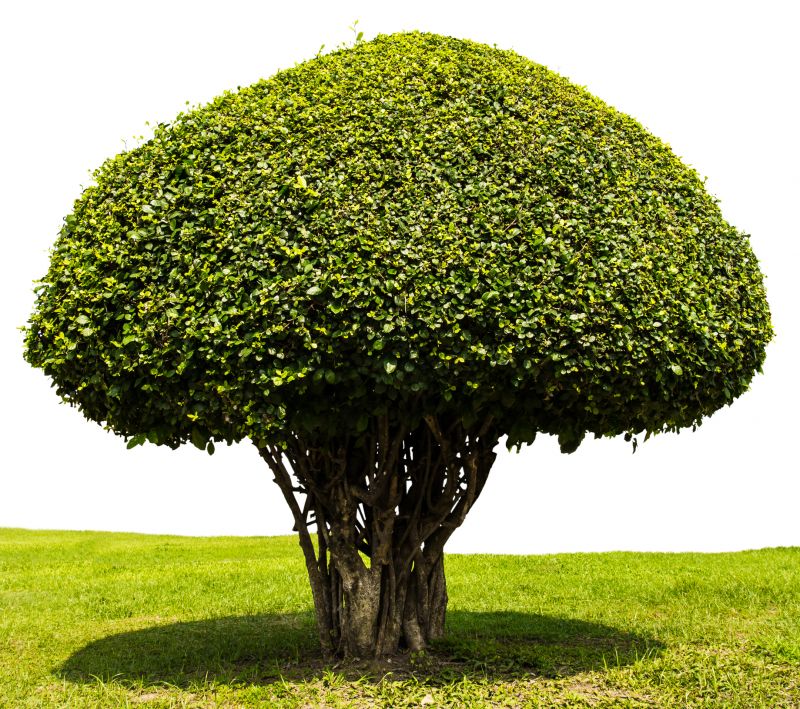
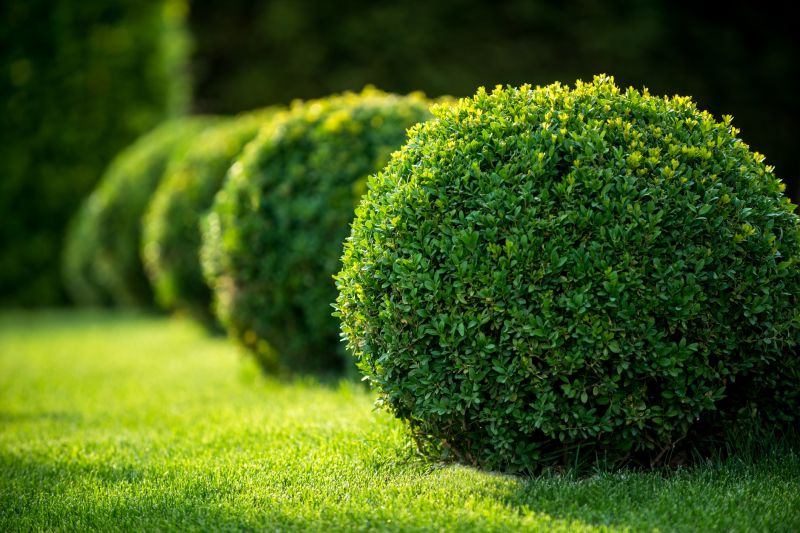
Shrub shaping services involve trimming, pruning, and contouring bushes and shrubs to enhance their appearance and health. Skilled contractors carefully trim overgrown or misshapen plants to create a tidy, balanced look that complements the overall landscape. This process not only improves curb appeal but also encourages healthy growth by removing dead or diseased branches. Regular shrub shaping can prevent plants from becoming unruly or invasive, helping maintain a neat and attractive outdoor space.
Many property owners turn to shrub shaping to address common landscaping problems. Overgrown shrubs can obscure walkways, windows, or outdoor features, making a property look untidy or unkempt. Additionally, shapeless or overgrown bushes can hinder sunlight from reaching other plants, impacting the health of the garden. Shrub shaping also helps control the size and spread of bushes that may otherwise become too large for the space, reducing the risk of damage to nearby structures or utilities.
This service is frequently used on residential properties, including single-family homes, townhouses, and apartment complexes with shared outdoor spaces. Commercial properties, such as office buildings, retail centers, and community parks, often rely on shrub shaping to maintain a professional and welcoming appearance. Whether a property has a small garden or extensive landscaping, shrub shaping can be an effective way to keep outdoor areas looking well-maintained and inviting for visitors, residents, or customers.
Homeowners and property managers seeking to improve the visual appeal and health of their landscape often find shrub shaping to be a practical solution. It is especially useful when shrubs have become overgrown or uneven, or when a property needs a quick refresh to look more orderly. By connecting with local contractors experienced in shrub shaping, property owners can find the right professional to help keep their outdoor spaces attractive, healthy, and properly maintained throughout the year.
The overview below groups typical Shrub Shaping projects into broad ranges so you can see how smaller, mid-sized, and larger jobs often compare in your area.
In many markets, a large share of routine jobs stays in the lower and middle ranges, while only a smaller percentage of projects moves into the highest bands when the work is more complex or site conditions are harder than average.
Smaller Shrub Shaping Jobs - Typically range from $250 to $600 for routine trimming and shaping of small to medium shrubs. Many standard jobs fall within this band, especially for regular maintenance or minor adjustments.
Medium-Scale Shrub Shaping - Costs usually fall between $600 and $1,200 for more extensive shaping projects or larger shrub beds. These projects are common for seasonal updates or moderate landscaping needs.
Larger or Complex Shrub Shaping - Larger, more detailed shaping jobs can range from $1,200 to $3,000 or more, especially for extensive hedge formations or intricate designs. Fewer projects reach this tier, but they are typical for high-end landscaping or commercial properties.
Full Shrub Replacement or Major Overhauls - Complete removal and replacement of shrubs can start around $3,000 and may exceed $5,000 for large-scale landscape renovations. These projects are less frequent but are handled by local contractors for significant landscape redesigns.
Actual totals will depend on details like access to the work area, the scope of the project, and the materials selected, so use these as general starting points rather than exact figures.
Topiary Trimming - local contractors skilled in shaping and maintaining decorative topiary plants share techniques used in shrub shaping to create precise and artistic forms.
Garden Bed Edging - professionals who install or refine garden borders utilize planning and hand tools similar to shrub shaping to achieve clean, defined lines.
Hedge Trimming and Pruning - local service providers experienced in hedge maintenance apply similar cutting and shaping skills to enhance shrub aesthetics and health.
Landscape Design and Planning - designers who plan outdoor spaces often incorporate shrub shaping into overall garden layouts, requiring detailed planning and plant manipulation.
Tree Pruning and Crown Shaping - arborists and tree care specialists use similar pruning techniques to shape tree canopies, aligning with skills used in shrub shaping projects.
Bush and Shrub Removal - contractors experienced in removing overgrown or unwanted shrubs apply planning and precise cutting skills comparable to shrub shaping services.

When comparing service providers for shrub shaping, it’s important to consider their experience with similar projects. Homeowners should look for local contractors who have a proven track record of successfully handling shrub trimming and shaping tasks comparable to the scope of their needs. Asking for examples of past work or references can provide insight into their familiarity with different shrub types and shaping techniques, helping to ensure that the chosen professional has the necessary skills to achieve the desired results.
Clear, written expectations are essential to a smooth working relationship. Homeowners should seek out local pros who can clearly outline what the service will include, what to expect during the process, and any specifics about the scope of work. Having these details documented helps prevent misunderstandings and ensures that both parties are aligned on the project goals. Good communication from the start can also make it easier to address questions or adjustments as the work progresses.
Reputable references and effective communication are key factors in selecting the right shrub shaping service provider. Pros with a history of satisfied clients and positive feedback can offer reassurance about their professionalism and reliability. Additionally, service providers who communicate promptly and transparently can make the process more straightforward and less stressful. It’s important to connect with local contractors who prioritize clear dialogue and provide dependable service, ensuring the project is completed to expectations without unnecessary complications.
Property owners use Shrub Shaping services for practical projects around their homes and businesses. This guide focuses on everyday jobs and straightforward project options.
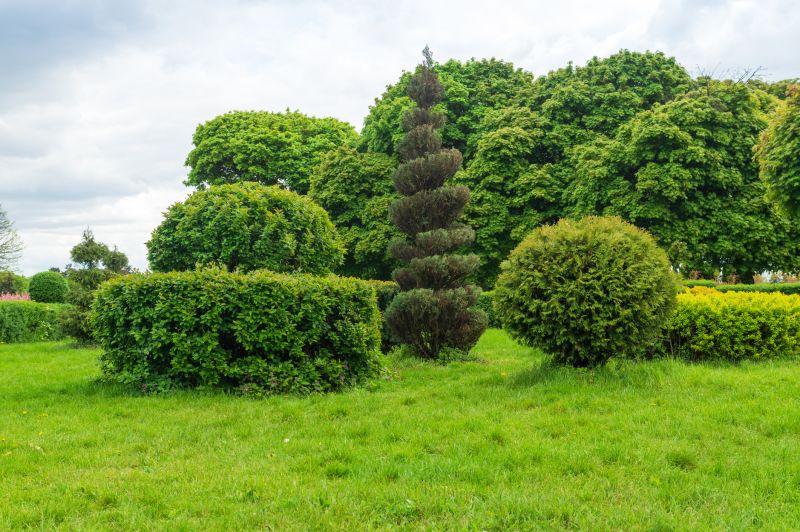

Shrub shaping services are often sought by property owners who want to maintain a tidy and attractive landscape. Whether preparing a yard for a special event, removing overgrown or unruly bushes, or simply keeping plants well-groomed, local contractors can provide the expertise needed to achieve a polished look. Regular shaping can also promote healthier growth and prevent shrubs from becoming too dense or invasive, making it a practical choice for those looking to enhance their outdoor space.
Homeowners and property managers might also look for shrub shaping services to improve curb appeal or meet neighborhood standards. Overgrown or uneven bushes can detract from the overall appearance of a property, and professional shaping offers a straightforward way to keep landscaping neat and balanced. Local service providers are equipped to handle various shrub types and sizes, helping property owners maintain a well-kept exterior throughout the year.
What is shrub shaping? Shrub shaping involves trimming and sculpting bushes to improve their appearance and promote healthy growth.
Which types of shrubs can be shaped? Most common shrub varieties can be shaped, including boxwoods, yews, and holly, among others.
How often should shrubs be shaped? The frequency depends on the shrub type and growth rate; a local contractor can recommend a suitable schedule.
What tools are used for shrub shaping? Professionals typically use pruning shears, hedge trimmers, and sometimes saws, depending on the shrub size and shape.
How can I find local contractors for shrub shaping? This service connects homeowners with local service providers experienced in shrub shaping and landscaping.
Garden Enhancement Ideas - Shrub shaping can improve the appearance of a garden by creating neat, defined borders around flower beds and pathways.
Privacy and Screening - Property owners can use shrub shaping to establish natural privacy screens along fences or property lines.
Seasonal Decorations - Shaping shrubs into decorative forms or topiaries can add a festive touch for holidays and special occasions.
Erosion Control Solutions - Properly shaped shrubs can help stabilize soil on slopes and prevent erosion around the property.
If you are thinking about Shrub Shaping for a property, this guide is meant to help you understand the work, the typical project types, and how different options might fit your plans.
When you are ready, you can use the quote form on this page to share a few details about your project. From there, local pros can review the basics and respond with options that match what you have in mind.